Topics
Difficulty
Articles (542)
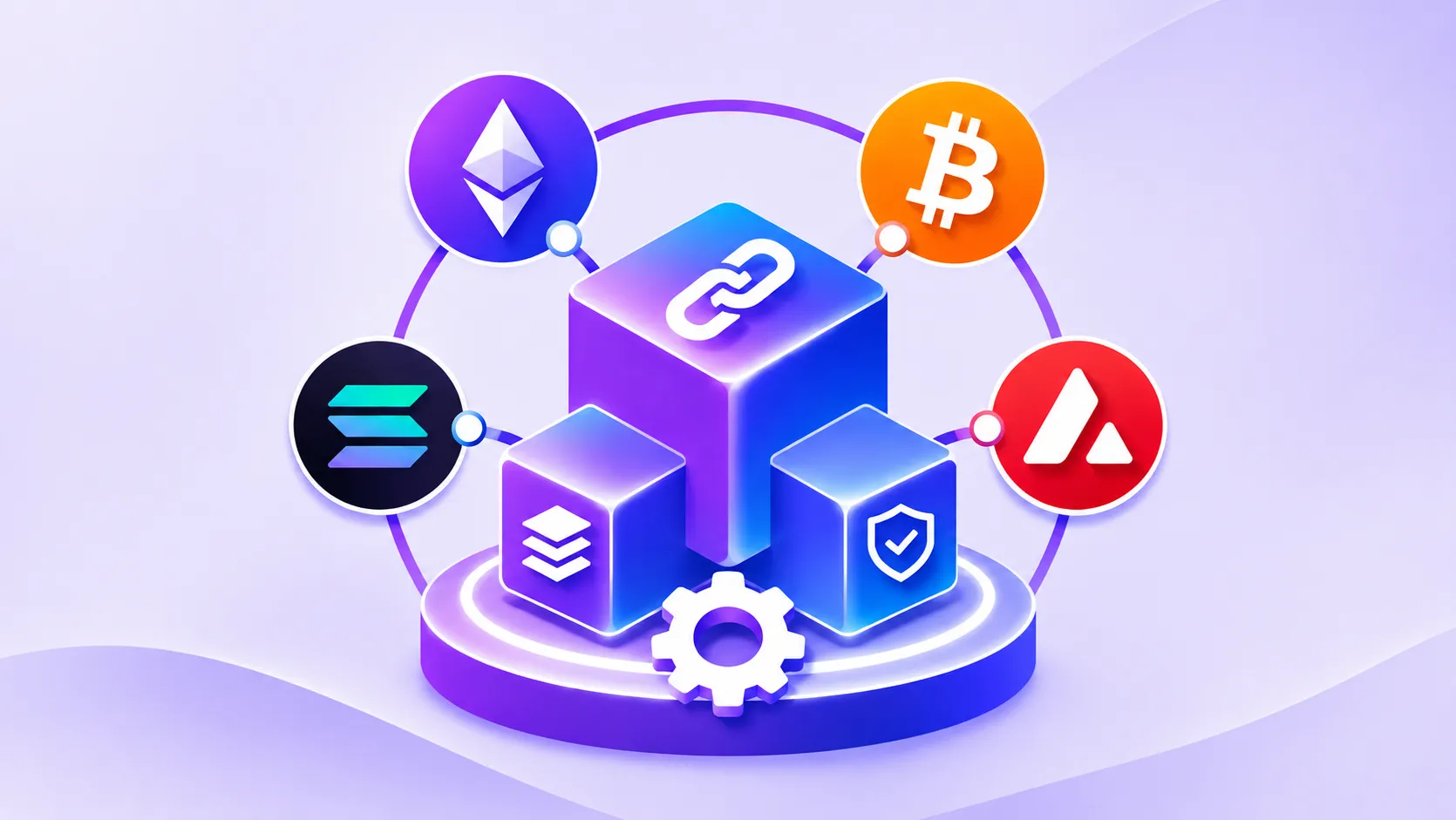
Types of Layer 1 Blockchains: Architecture and Consensus Explained
Explore the different types of Layer 1 blockchains, including Proof of Work, Proof of Stake, monolithic, modular, and sharded architectures. Learn how consensus mechanisms, execution models, and network design influence blockchain security, scalability, decentralization, and performance.
Navigating Digital Asset Investment: Risk Awareness and Compliance Guide for CWC Holders
Discover how CWC holders can navigate digital asset risks, understand regulatory compliance, respond rationally to market volatility, and adopt responsible investment and personal risk management practices.

What Is ZKsync (ZK)? Technology, Tokenomics, and Use Cases
Discover ZKsync (ZK), an Ethereum scaling ecosystem powered by zero-knowledge proofs. Explore its technology, tokenomics, governance, institutional applications, use cases, risks, and future outlook.

What Is LayerZero (ZRO)? A Complete Guide to Its Technology, Tokenomics, and Use Cases
Discover what LayerZero (ZRO) is, how its omnichain messaging protocol works, and its role in blockchain interoperability. Explore ZRO's tokenomics, staking, governance, buybacks, integration with Stargate and Zero, key use cases, risks, and future outlook.
What Is Ethereum 6x Short (ETH6S)? Leverage, Risks and Delisting
Discover what Ethereum 6x Short (ETH6S) was, how its 6x inverse leverage and net asset value (NAV) worked, its tokenomics, use cases, trading risks, and why CoinW delisted the product in June 2026.
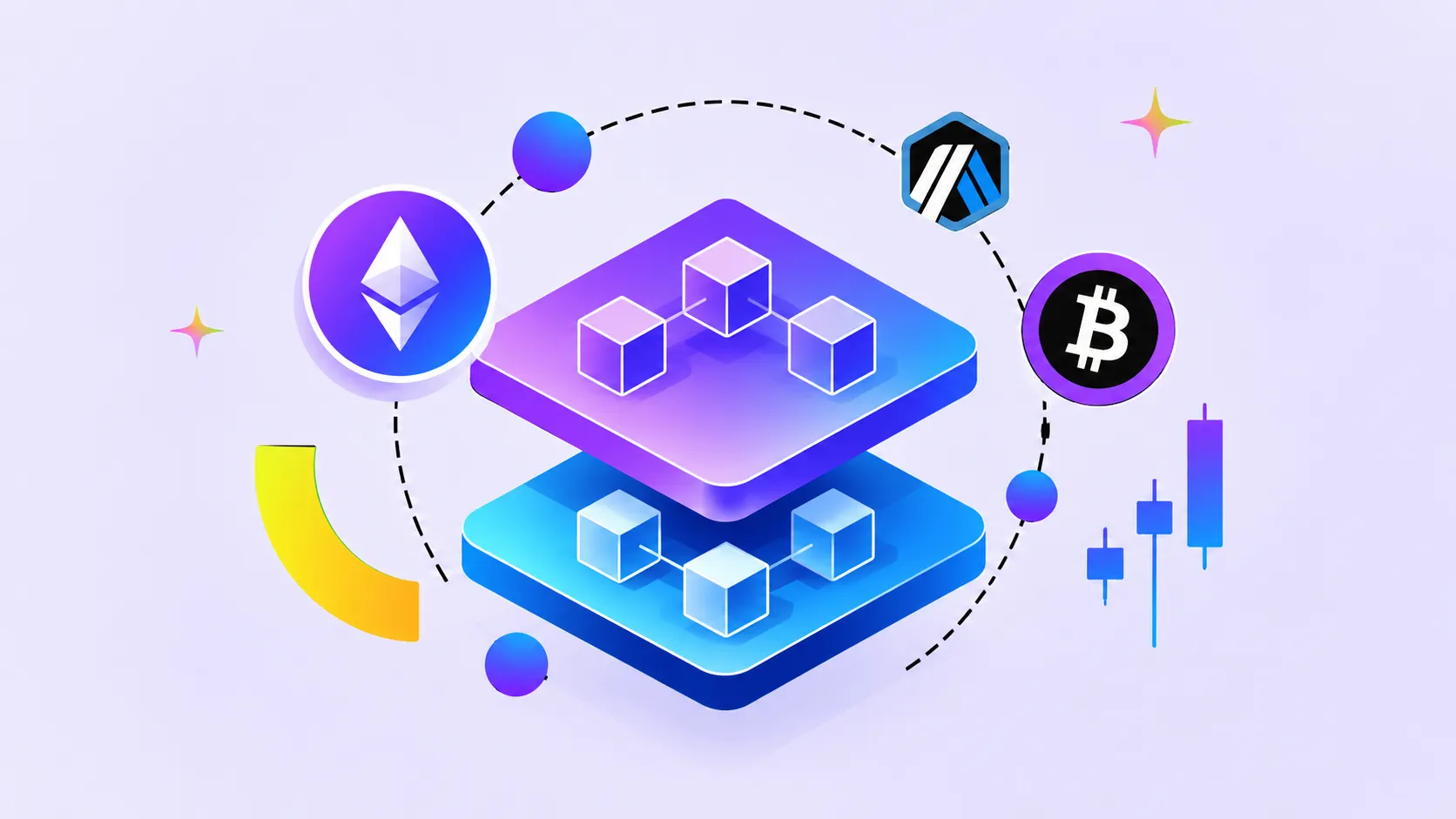
Layer 1 vs. Layer 2 Blockchains: Key Differences Explained
Learn the key differences between Layer 1 and Layer 2 blockchains, how they work, and how networks like Ethereum, Solana, and Arbitrum compare in scalability, security, and transaction fees.
What Is a Layer 2 Blockchain? A Beginner's Guide to Using L2 Networks
Learn how to use Layer 2 blockchains, including Arbitrum, Optimism, and Base. Discover how L2 transactions, gas fees, bridges, and withdrawals work.

Crypto Mining Explained: How Miners Secure the Blockchain
Learn how crypto mining works, how miners validate transactions, and how Proof of Work secures blockchain networks like Bitcoin.
What Is Arbitrum (ARB)? Ethereum Layer 2 Explained
Discover what Arbitrum (ARB) is, how its Ethereum Layer 2 network uses optimistic rollups to reduce transaction costs, and how ARB supports decentralized governance. Explore its tokenomics, use cases, ecosystem, and risks.